
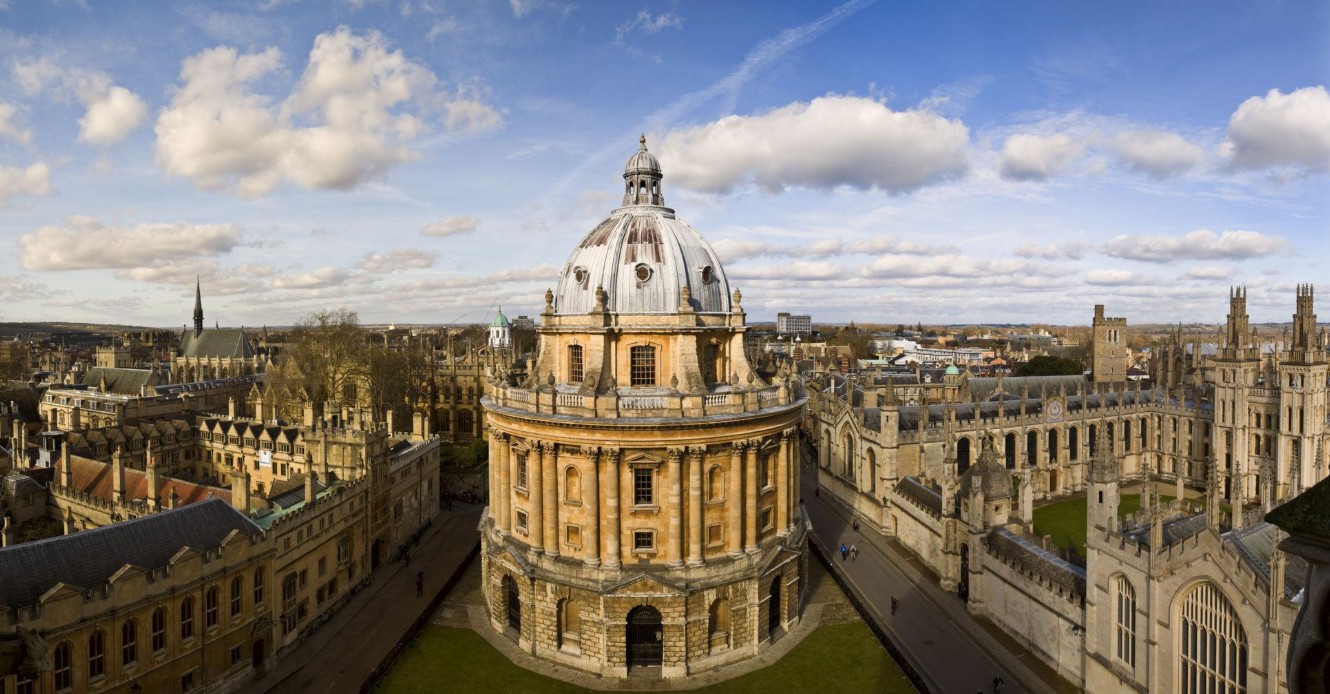
Among all medical schools in the United Kingdom, few attract as much attention as University of Oxford. Every year, thousands of applicants search online for information about Oxford Medicine entry requirements, UCAT scores, and acceptance rates. It consistently ranks among the most searched medical schools in the UK, not only because of its reputation but also because its admissions process is highly selective and somewhat different from other universities.
Oxford’s medical programme combines centuries of academic tradition with one of the most rigorous scientific curricula in Europe. Students are expected to develop deep scientific understanding alongside clinical skills, making it one of the most academically demanding medical degrees in the country.
For many applicants, the challenge is not simply achieving the required grades but understanding how the selection process actually works.
This guide explains everything prospective students need to know about applying to Oxford Medical School, including admission statistics, UCAT expectations, interviews, and application strategy.
Why Oxford Medicine Is So Competitive
Oxford is consistently ranked among the world’s leading universities for medical research and education. As a result, it attracts exceptionally strong applicants from across the UK and internationally.
In a typical admissions cycle:
- Applications: ~2000
- Places available: ~160
- Acceptance rate: ~8%
This means that fewer than one in ten applicants ultimately receives an offer.
However, the competition is not simply about numbers. The university seeks applicants who demonstrate:
- strong scientific reasoning
- intellectual curiosity
- analytical thinking
- resilience in demanding academic environments
These characteristics are assessed throughout the admissions process.
Oxford Medicine Course Structure
The undergraduate medicine course at Oxford is divided into two main phases.
Pre-clinical Phase (Years 1–3)
During the first three years, students focus heavily on the scientific foundations of medicine. Subjects include:
- physiology
- pharmacology
- neuroscience
- pathology
- medical genetics
Teaching combines lectures, laboratory work, and Oxford’s distinctive tutorial system, where students discuss topics in small groups with academic tutors.
Students also complete a Bachelor of Arts (BA) degree in Medical Sciences at the end of the pre-clinical stage.
Clinical Phase (Years 4–6)
After completing the pre-clinical course, students move to clinical training at partner hospitals, primarily centred around the John Radcliffe Hospital in Oxford.
Clinical training includes:
- patient contact
- ward placements
- general practice attachments
- specialty rotations
Students graduate with the BM BCh (Bachelor of Medicine, Bachelor of Surgery) qualification.
Oxford Medicine Entry Requirements
Applicants must meet very high academic standards.
A-Level Requirements
Typical offer:
AAA
Required subjects:
- Chemistry (essential)
- At least one of Biology, Physics, or Mathematics
Most successful applicants achieve multiple A* grades.
GCSE Requirements
Oxford does not publish a strict GCSE threshold, but successful applicants typically have:
- a large number of grades 8–9
- strong performance in science and mathematics
GCSEs are considered alongside other academic indicators.
UCAT Requirements for Oxford
Oxford recently transitioned to using the UCAT as its admissions test.
The UCAT plays an important role in shortlisting candidates for interview.
Although the university does not publish a fixed cut-off score, applicants invited to interview usually fall within the top percentiles of UCAT performance.
Typical competitive scores in recent cycles have been approximately:
| UCAT Score | Competitiveness |
|---|---|
| 2600–2700 | Possible but less competitive |
| 2700–2800 | Competitive range |
| 2800+ | Strong application |
| 2900+ | Highly competitive |
Because Oxford attracts extremely strong applicants, many candidates invited to interview score well above the national average.
Oxford Medicine Interviews
Applicants who are shortlisted are invited to attend interviews in December.
Oxford interviews are designed to evaluate scientific reasoning rather than memorised knowledge.
Typical interview characteristics include:
- problem-solving discussions
- interpretation of scientific data
- hypothetical clinical scenarios
- ethical questions
The aim is to assess how candidates think through unfamiliar problems, rather than what they already know.
Interviews are usually conducted by academic tutors and clinicians associated with the college and medical school.
Work Experience Expectations
Oxford does not require extensive hospital work experience, but applicants should demonstrate insight into the medical profession.
Useful experiences include:
- volunteering in care homes
- healthcare assistant roles
- community service
- shadowing doctors or other healthcare professionals
The emphasis is on reflection and understanding rather than simply accumulating hours.
How to Strengthen Your Oxford Application
Applicants hoping to secure a place at Oxford Medical School should focus on several key areas.
Academic Excellence
High grades in science subjects are essential. Oxford places significant emphasis on intellectual ability and scientific understanding.
UCAT Preparation
Because the UCAT contributes to interview shortlisting, strong preparation can improve the likelihood of receiving an interview invitation.
Interview Preparation
Oxford interviews are highly analytical. Practising scientific reasoning, discussing unfamiliar concepts, and explaining your thought process clearly can be extremely valuable.
Genuine Interest in Medicine
Admissions tutors look for candidates who demonstrate curiosity about medicine as both a science and a profession.
Is Oxford the Right Medical School for You?
Oxford offers one of the most academically intensive medical courses in the UK. It suits students who enjoy scientific enquiry and theoretical understanding alongside clinical practice.
However, applicants should also consider factors such as:
- teaching style
- course structure
- campus environment
- personal learning preferences
Many excellent doctors graduate from medical schools across the UK, each with different educational approaches.
Final Thoughts
Oxford Medical School represents one of the most prestigious and competitive routes into medicine in the United Kingdom. Admission requires exceptional academic performance, strong UCAT results, and the ability to demonstrate analytical thinking during interviews.
For applicants who enjoy scientific exploration and thrive in intellectually demanding environments, Oxford provides a unique and rewarding path into medicine.
Understanding the admissions process early allows students to prepare strategically and maximise their chances of success.


Leave a Reply